 RigMining
Mining basics
What Is Bitcoin Mining? How ASIC Miners Earn Bitcoin
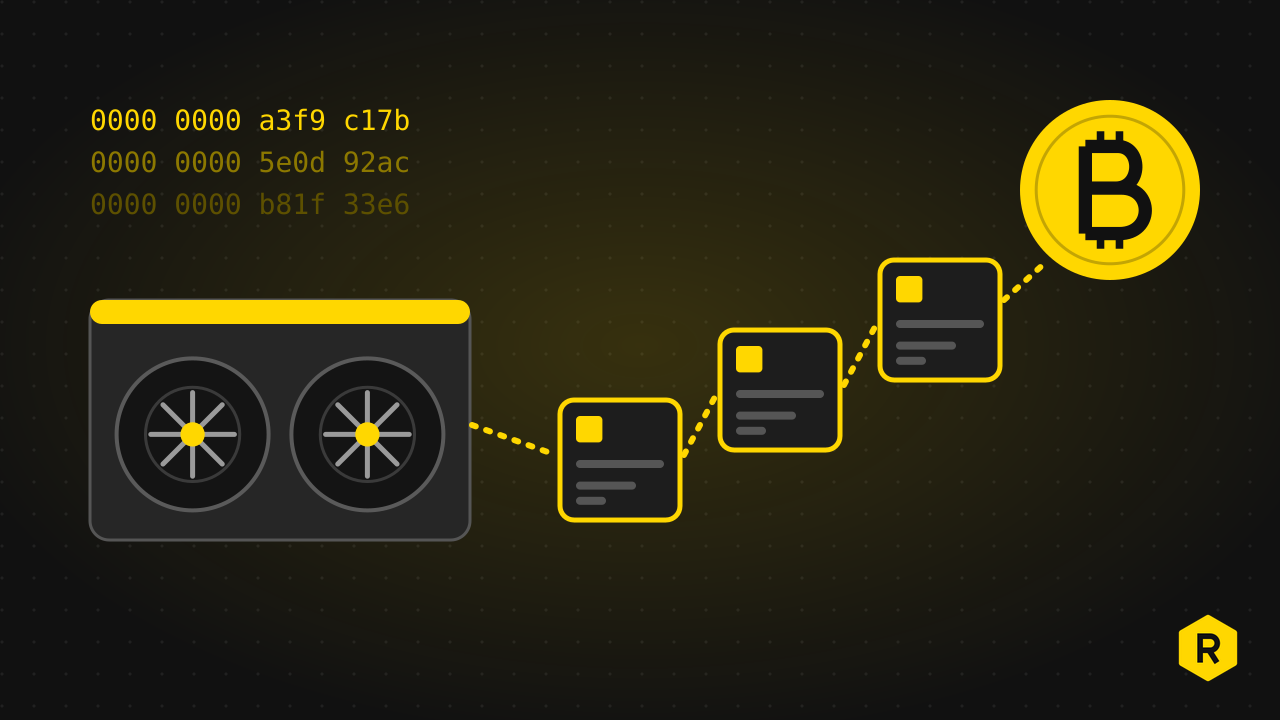
Bitcoin mining explained in plain language: what miners do, why they use ASIC machines, and where the reward comes from.
16 articles that explain how mining works. Every one lists its sources and links to the matching page on oneminers.com.
Mining basics
Bitcoin mining explained in plain language: what miners do, why they use ASIC machines, and where the reward comes from.
Mining basics
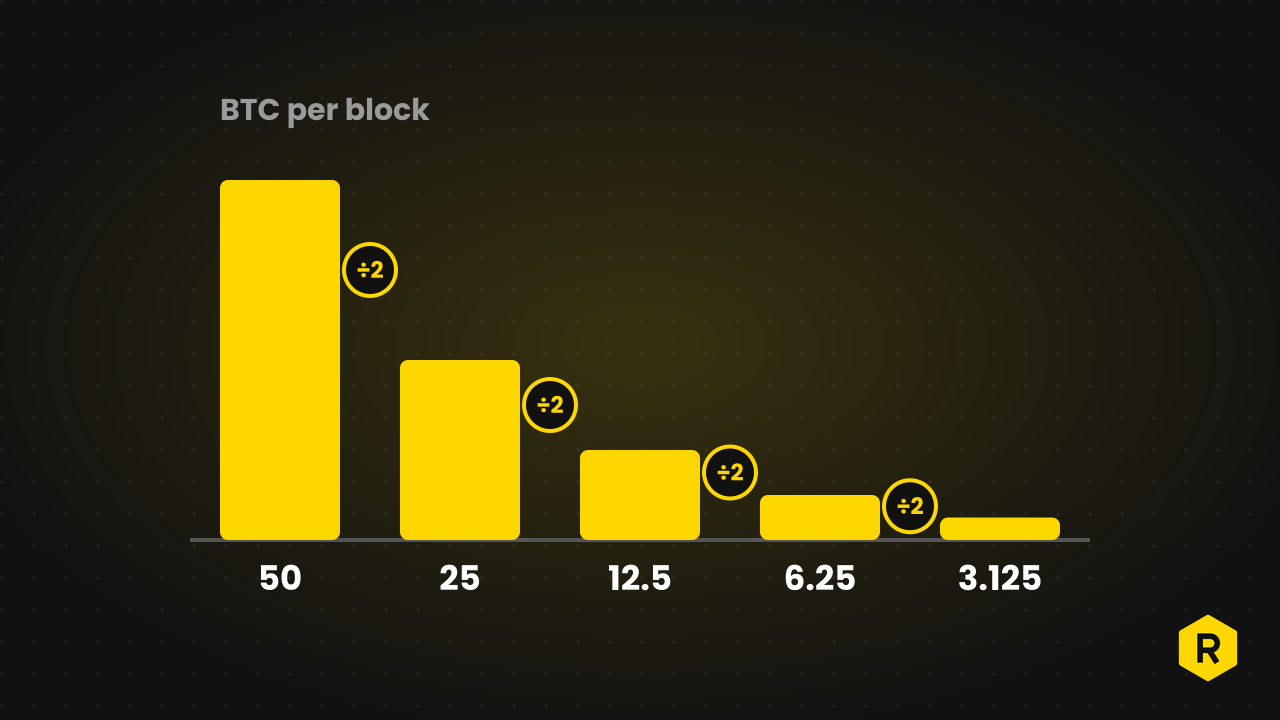
What the Bitcoin halving is, when the last and next ones happen, and why smaller block rewards make machine efficiency and power cost matter more.
Mining basics
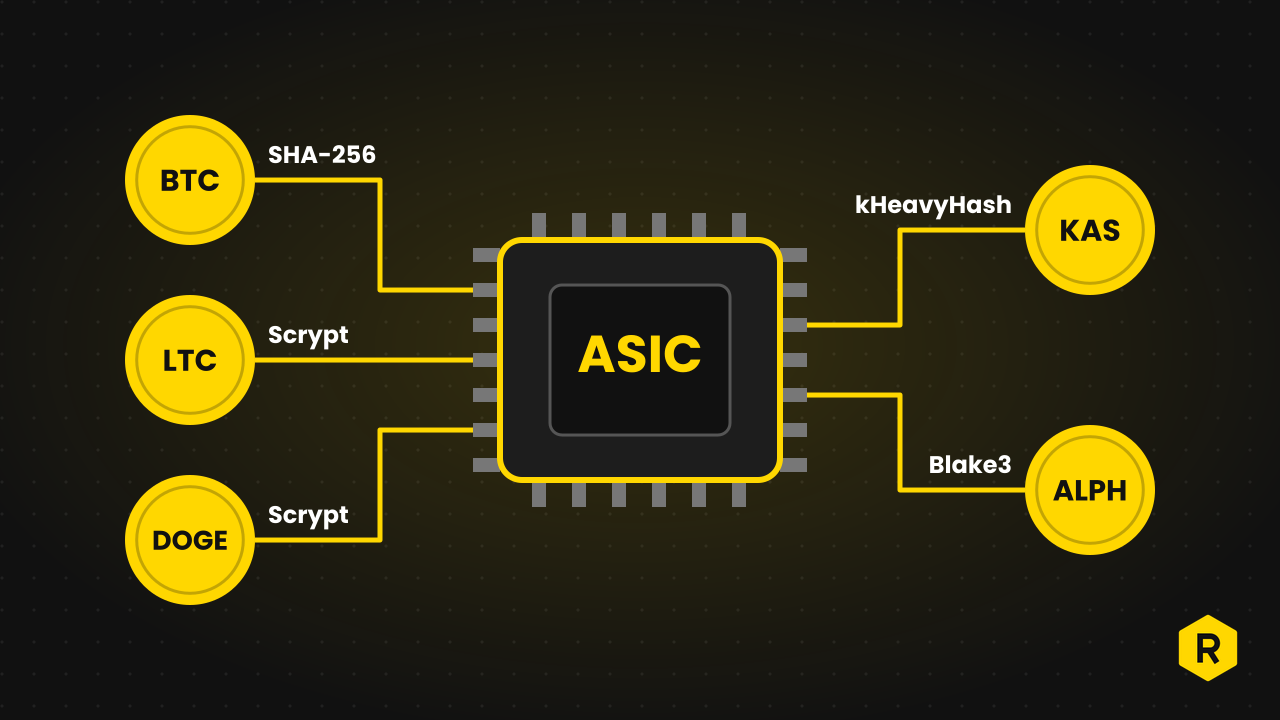
ASIC miners are built for one algorithm each. Learn which coins match SHA-256, Scrypt, kHeavyHash, Blake3 and Equihash, and what to check before you buy.
Profitability
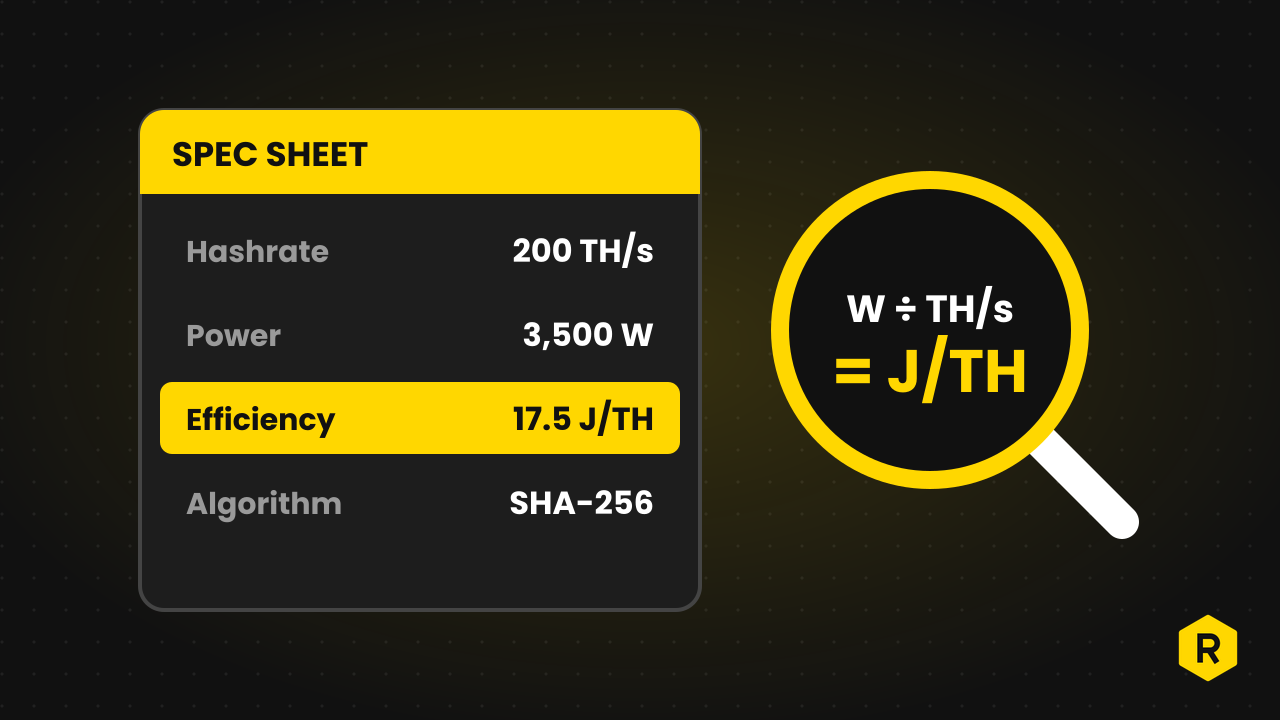
Hashrate in TH/s, power in watts, efficiency in J/TH: what each number on an ASIC miner listing means and how to compare two machines fairly.
Profitability
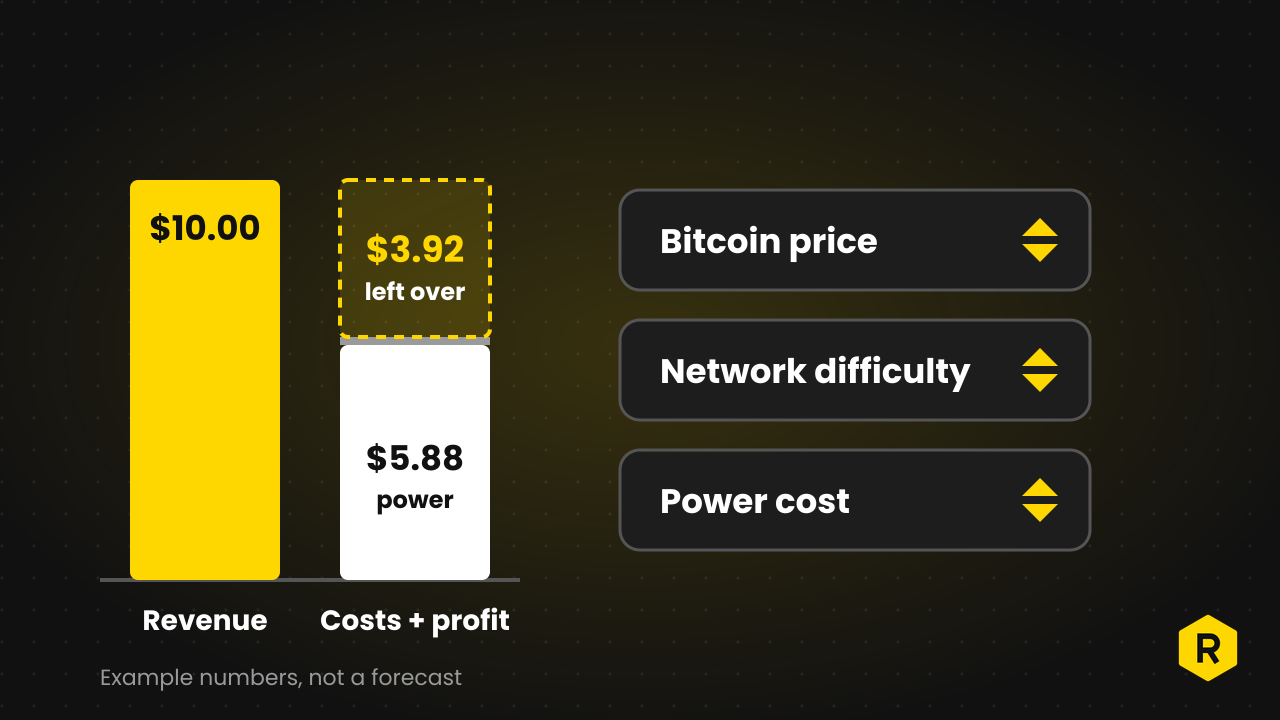
Mining profit depends on hashprice, network difficulty, the Bitcoin price and your power cost. See how they fit together with a simple worked example.
Profitability
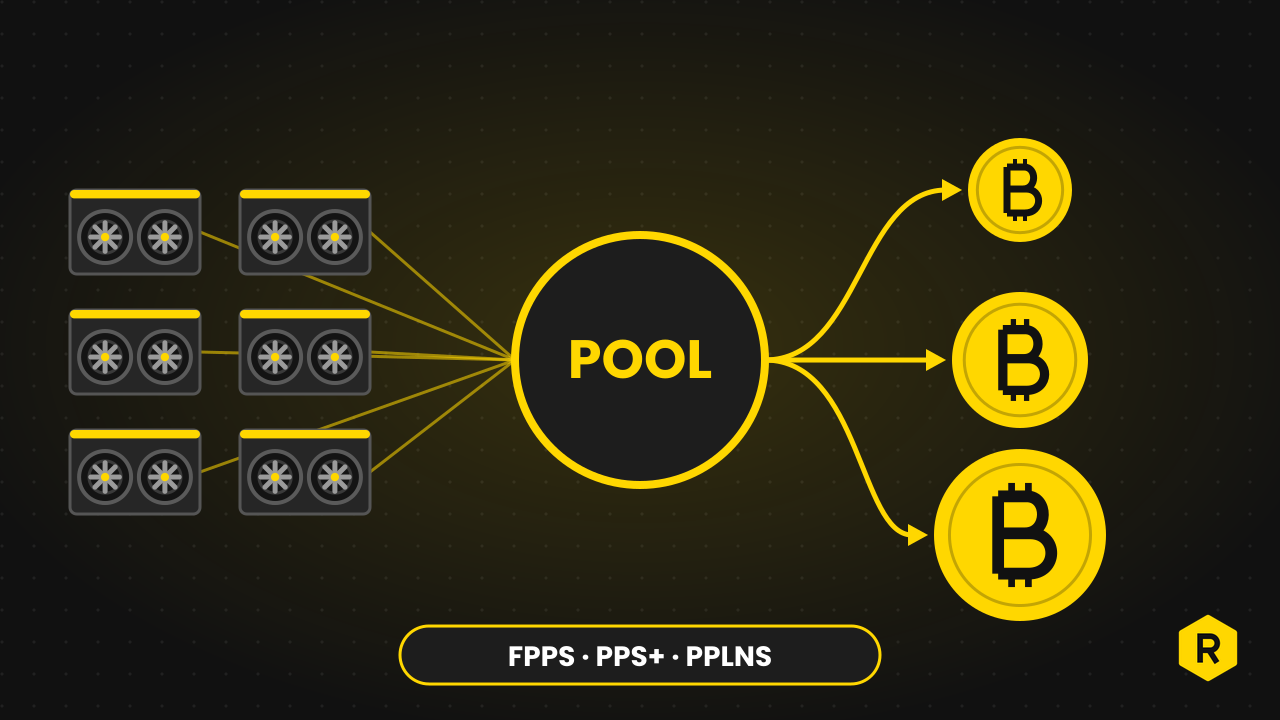
Pools pay miners in different ways. Learn what FPPS, PPS+ and PPLNS mean, who carries the luck risk, and what to check before you pick a pool.
Coins
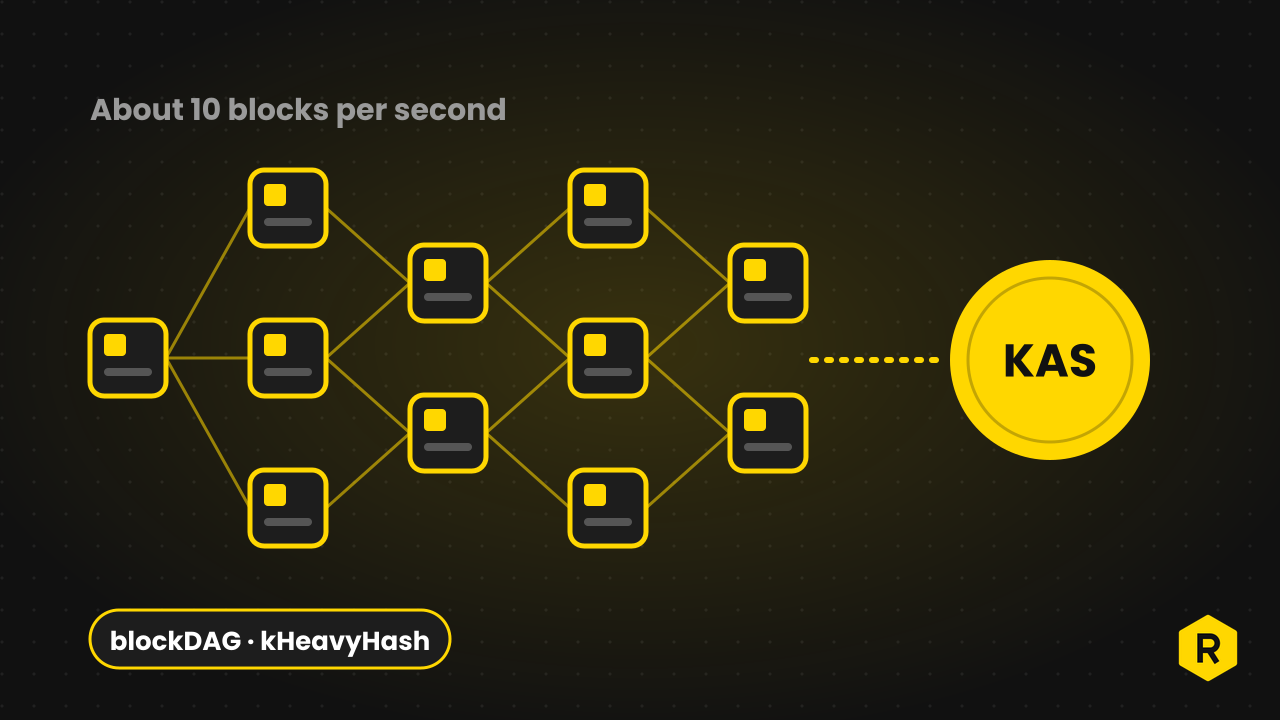
Kaspa is a proof-of-work blockDAG that uses the kHeavyHash algorithm. See how it works, what a KAS ASIC does and what to check before you buy a miner.
Coins
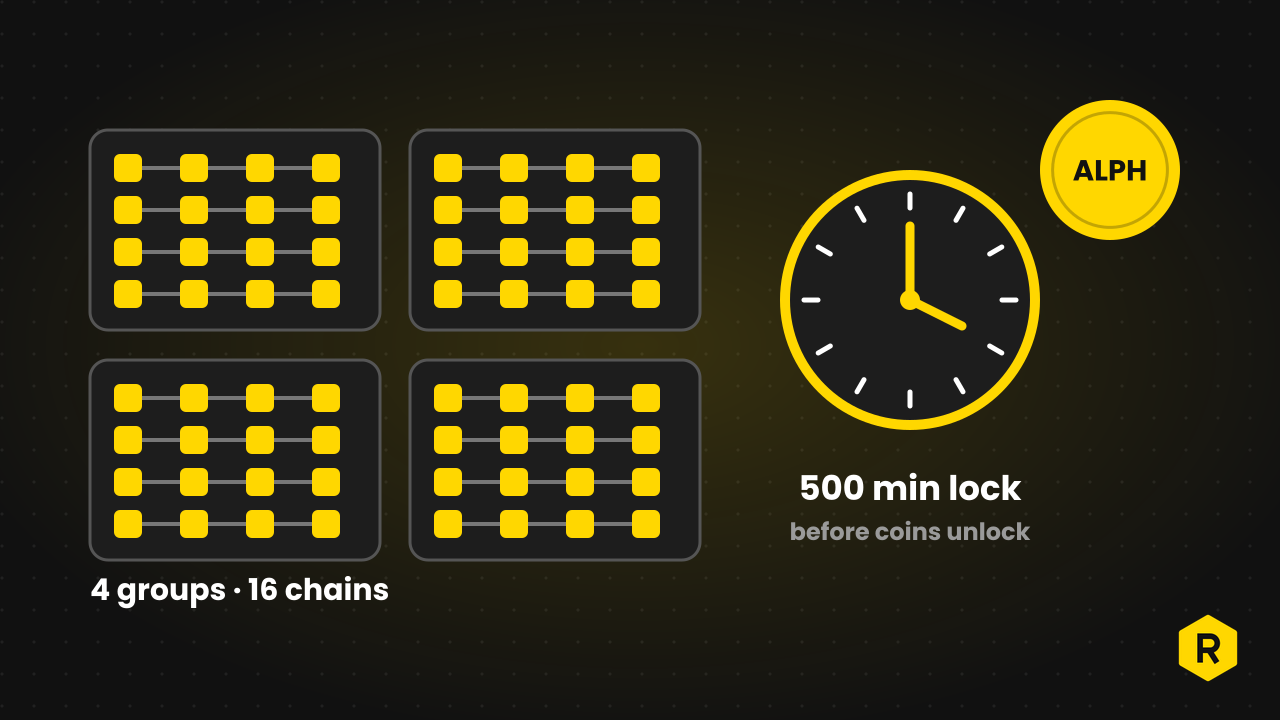
Alephium is a proof-of-work network with 16 chains and Blake3 mining. See how it works, why mined coins are locked for a while and what to check before buying.
Coins
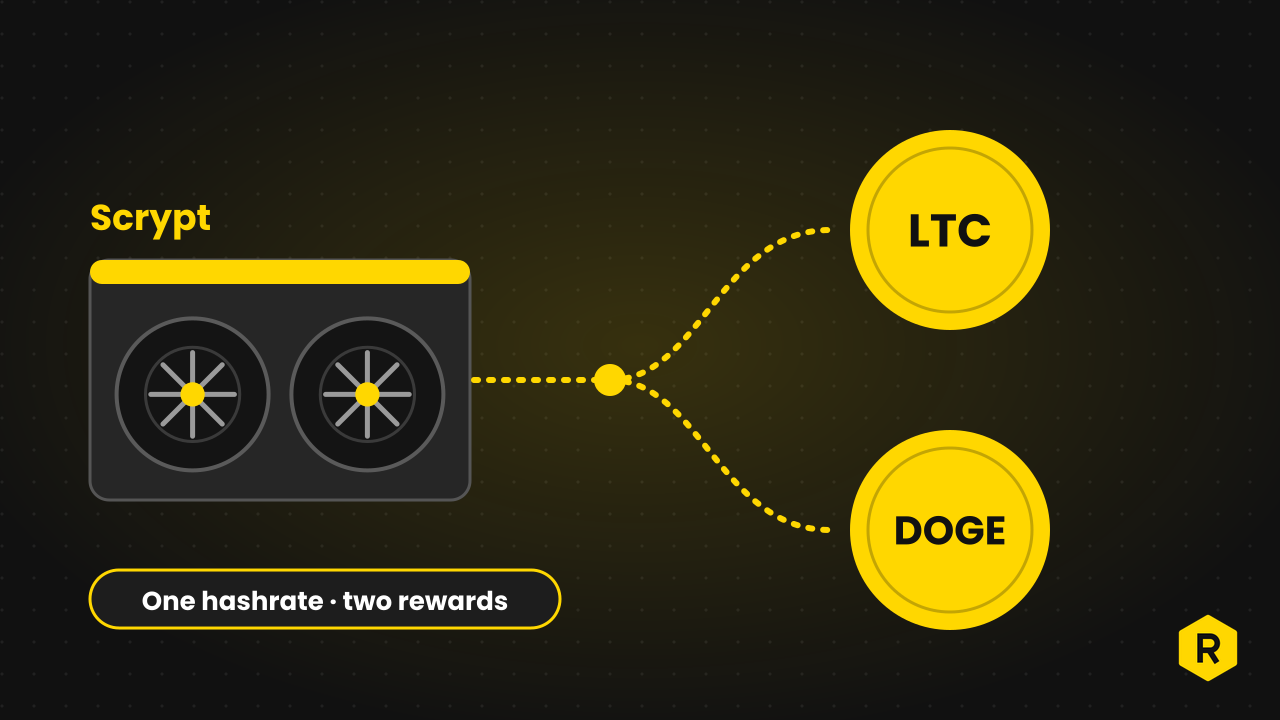
One Scrypt ASIC can earn Litecoin and Dogecoin at the same time through merged mining. See how it works, where it came from and what to check before you buy.
Hosting
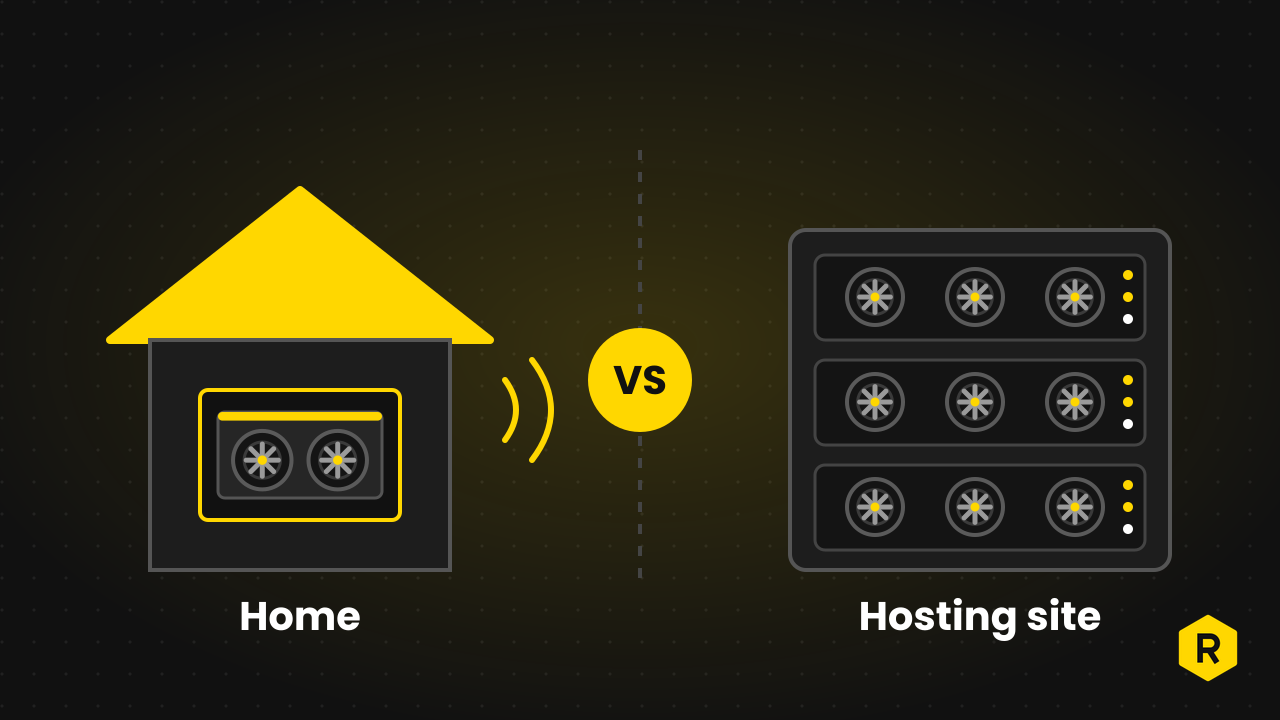
Home mining or a hosting site? Compare power cost, noise, heat, setup effort, control and risk, so you can choose the setup that fits you.
Hosting
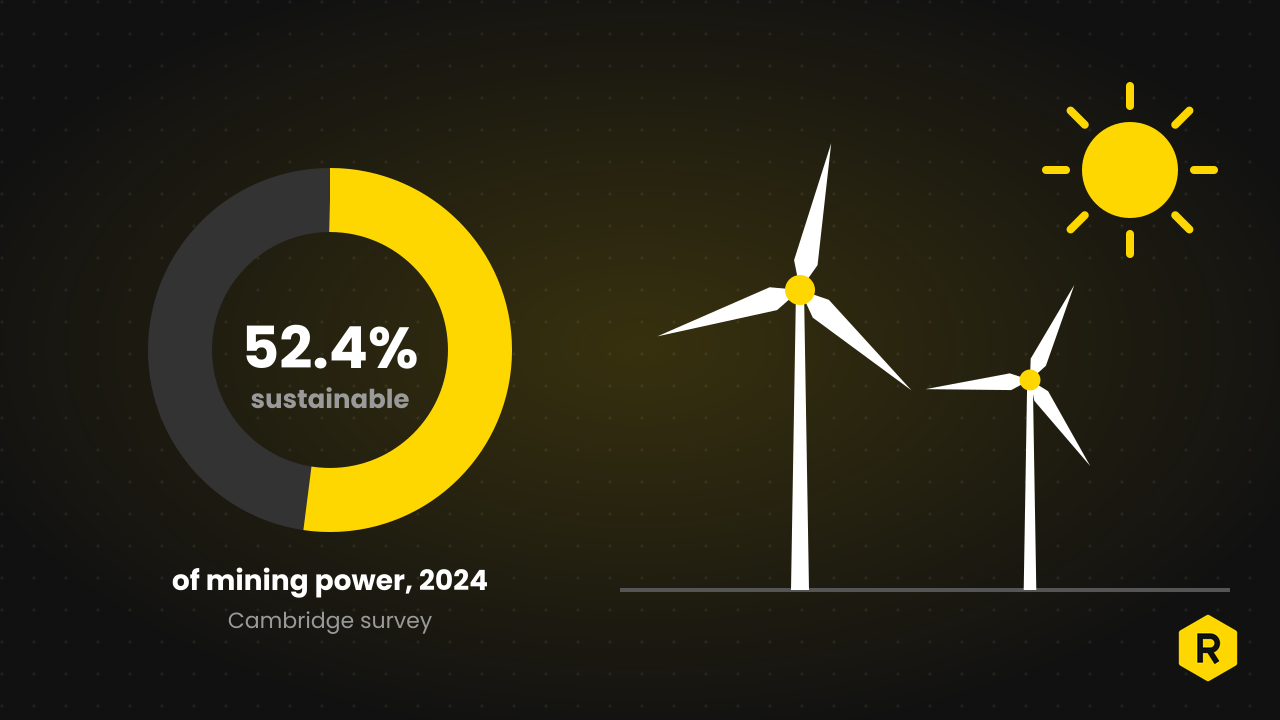
Where Bitcoin mining gets its power, how much it uses, and what to ask a hosting provider about its electricity, based on Cambridge's 2025 industry report.
Troubleshooting
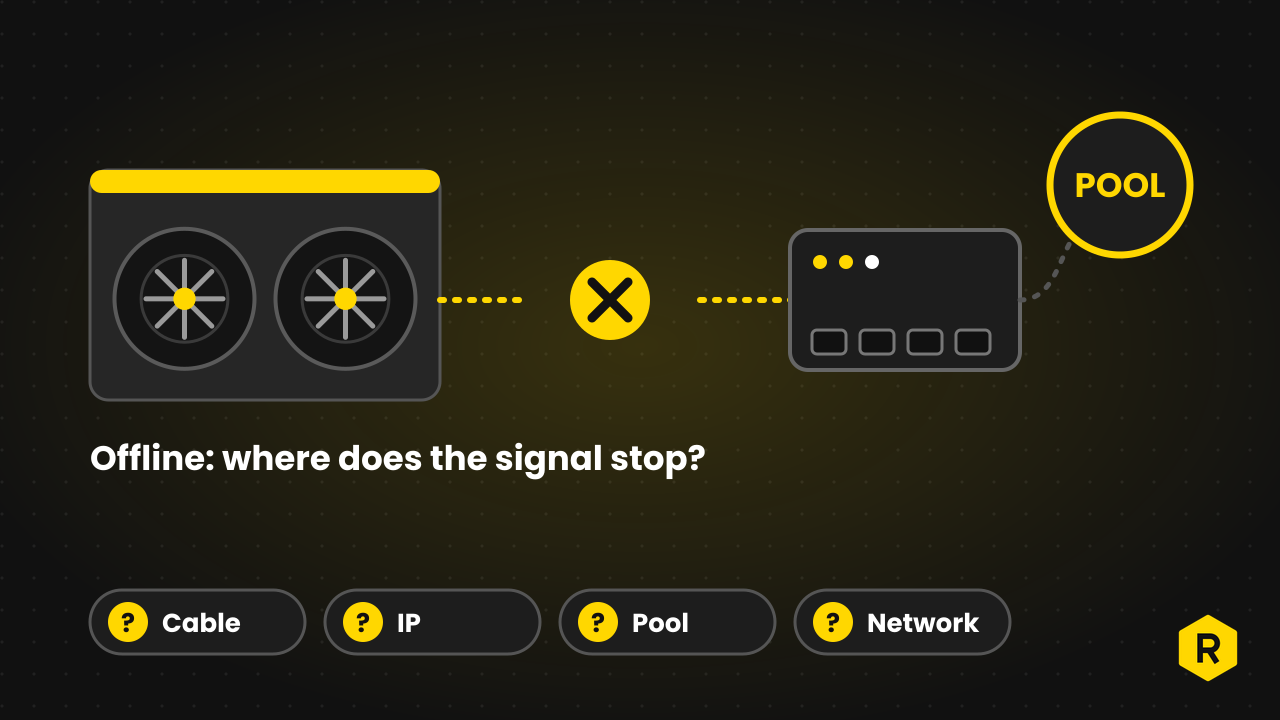
Is your ASIC miner offline at the pool, or its page will not open? Work through power, cables, IP address, pool settings and network blocks in the right order.
Troubleshooting
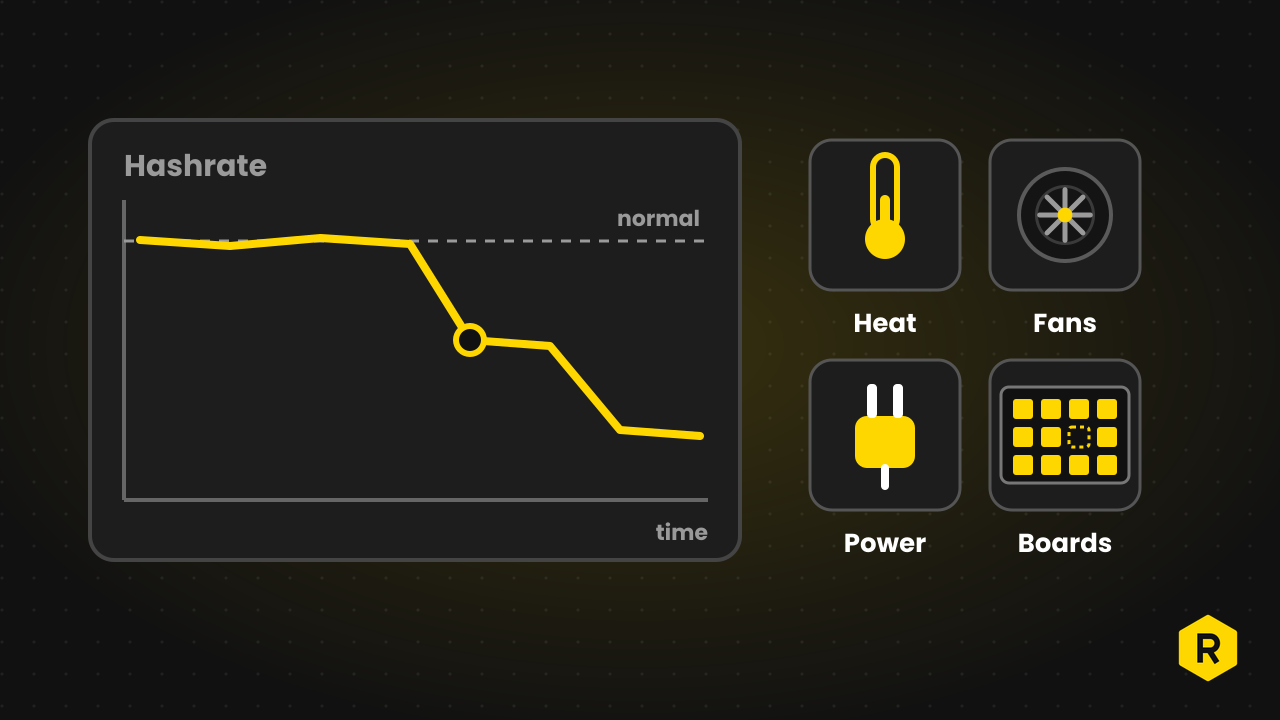
A lower hashrate does not always mean a broken miner. Check the reading, heat, fans, power, hashboards, pool and firmware in order, and know when to stop.
Troubleshooting
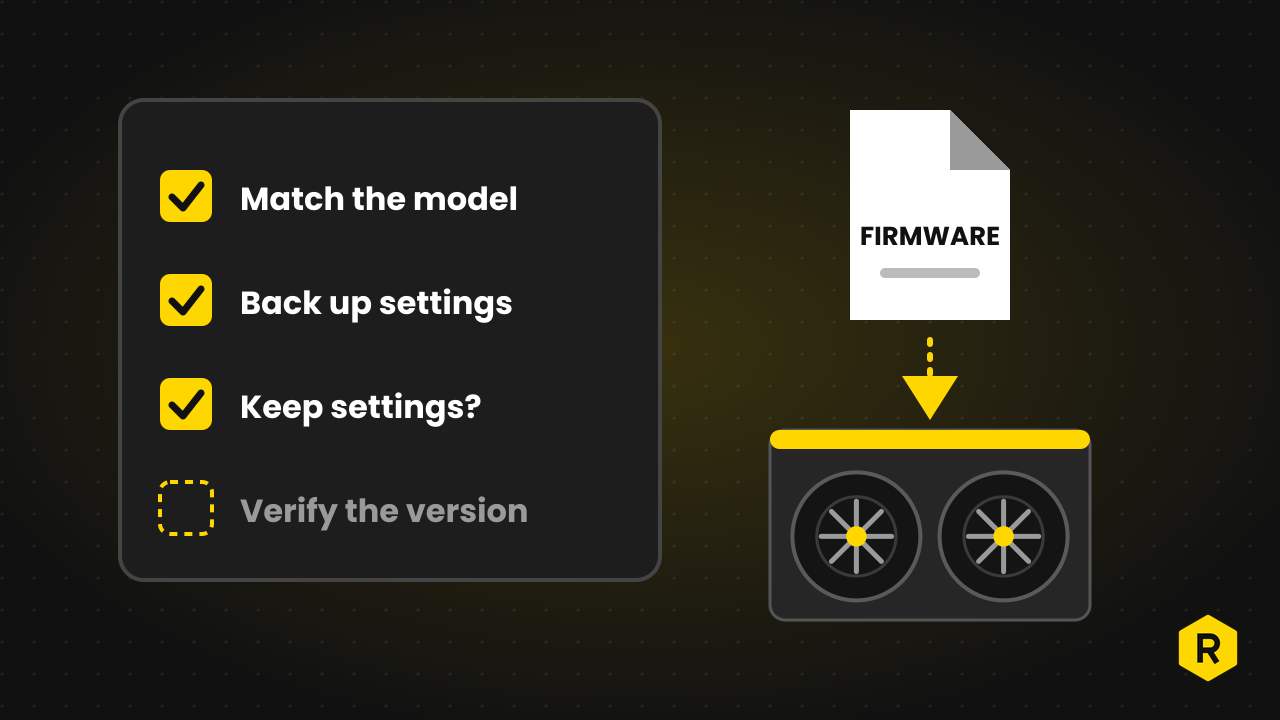
Firmware can fix faults, but a wrong file or lost settings creates new ones. Match the model, back up, update, then check the result with this checklist.
Trust and safety
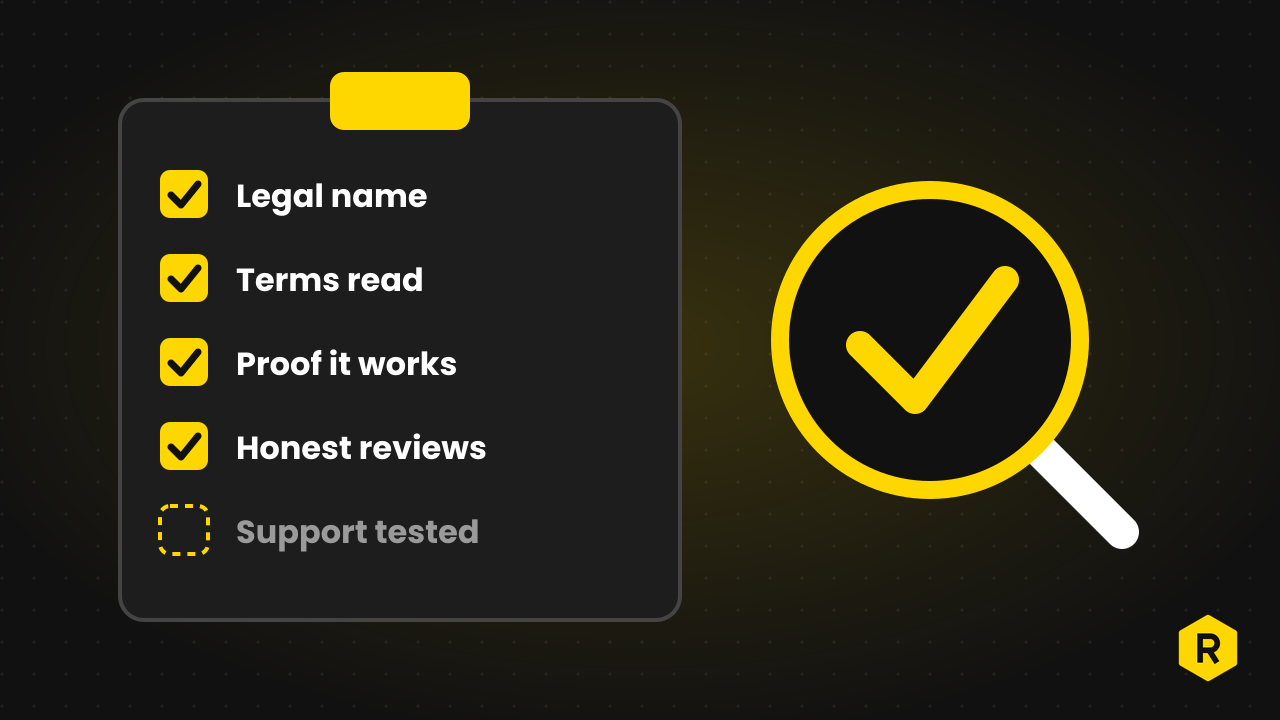
A practical checklist for vetting any hosting provider or miner seller: legal details, terms, proof your machine exists, reviews and a small first order.
Trust and safety
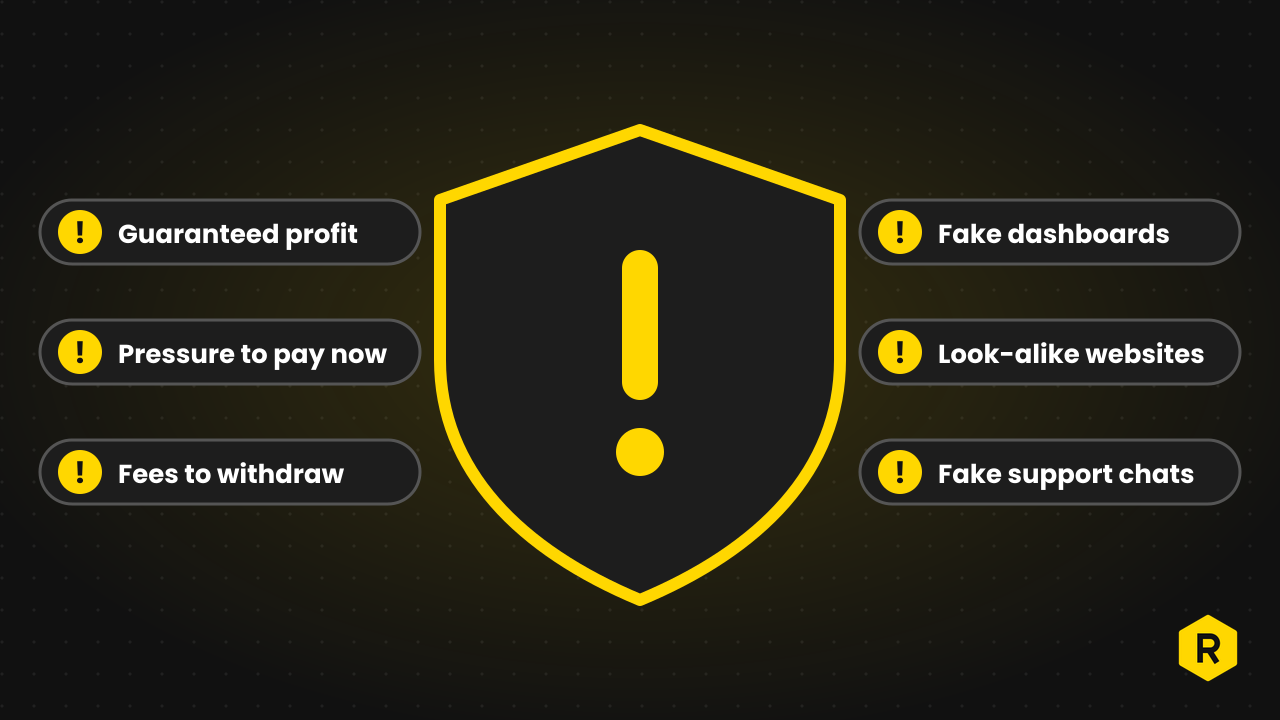
Guaranteed returns, pressure to pay fast and fake dashboards: the warning signs of mining scams, based on SEC, CFTC and FTC guidance, and what to do.