 RigMining
Hosting
Hosting vs Home Mining: A Fair Comparison
Home mining or a hosting site? Compare power cost, noise, heat, setup effort, control and risk, so you can choose the setup that fits you.
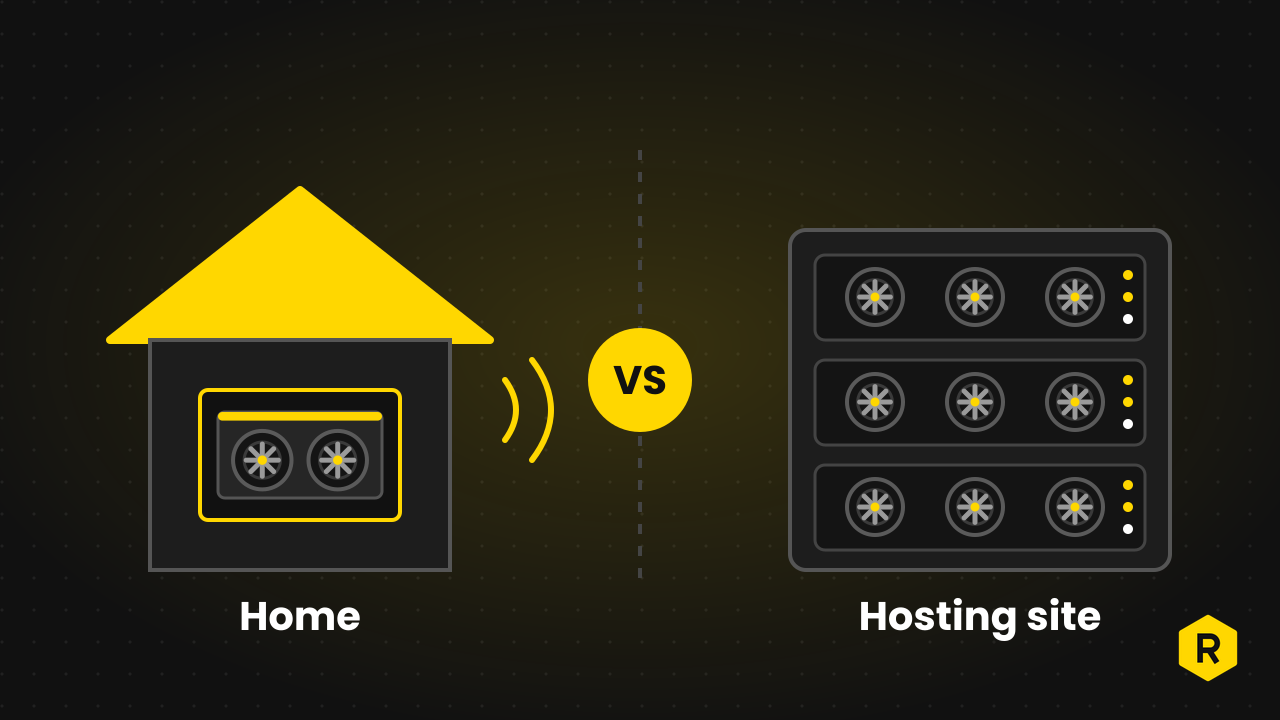
Two ways to run the same machine
You can run an ASIC miner in your own space, or you can send it to a hosting site that runs it for you. You own the machine either way. What changes is who provides the power, the cooling and the care.
There is no single right answer. It depends on your electricity price, your space and how hands-on you want to be.
The comparison
| Home | Hosting site | |
|---|---|---|
| Electricity | Your own tariff, often a residential rate | The host’s rate, plus any fees |
| Noise and heat | Yours to manage, and they are significant | Not your problem |
| Setup | Suitable power connection, cooling, network, firmware | Ship the machine, and the host installs it |
| Uptime and repairs | You | The provider, under its terms |
| Control | Physical access to the machine | Remote access through a dashboard |
| Main risks | High power cost, noise complaints, circuit limits, hardware faults | Provider reliability, contract terms, one location for all your machines |
Electricity is the deciding cost
For mining companies, electricity is the largest cash expense, according to Cambridge’s industry survey. That is why the comparison usually starts with one question: what do you pay per kilowatt-hour at home, and what is the host’s all-in rate?
Do not compare a headline rate with your home bill. Hosting invoices can have several line items on top of the base electricity price, so ask for the all-in rate: electricity, delivery or demand charges, management fees and anything else you would pay.
What you take on at home
Running machines at home is more than plugging them in:
- Noise. ASIC fans are very loud, which is a problem in a living space.
- Heat. A machine turns almost all the electricity it uses into heat. In winter that can be useful. In summer it is a cost.
- Power. The circuit must handle the machine’s draw safely.
- Upkeep. Firmware, faults, network drops and repairs are yours to handle.
Home mining can make sense if you have low power prices, a suitable space and the patience to manage it, or if you can use the heat.
What you take on with hosting
Hosting trades those chores for a few different considerations:
- Fees. You pay the host’s rate and any other charges, whether or not mining is profitable that month.
- Concentration. If your host has a power outage or a regulatory change, all your machines there are affected at once.
- Less hands-on control. You manage your machine through a dashboard, not with your hands.
- Terms. Contract length, uptime promises, payouts and how to get your machine back all matter.
Questions to ask any host
- What is the all-in rate per kWh, and which fees are on top?
- How long is the contract, and what are the exit terms?
- How is uptime measured, and what happens if it falls short?
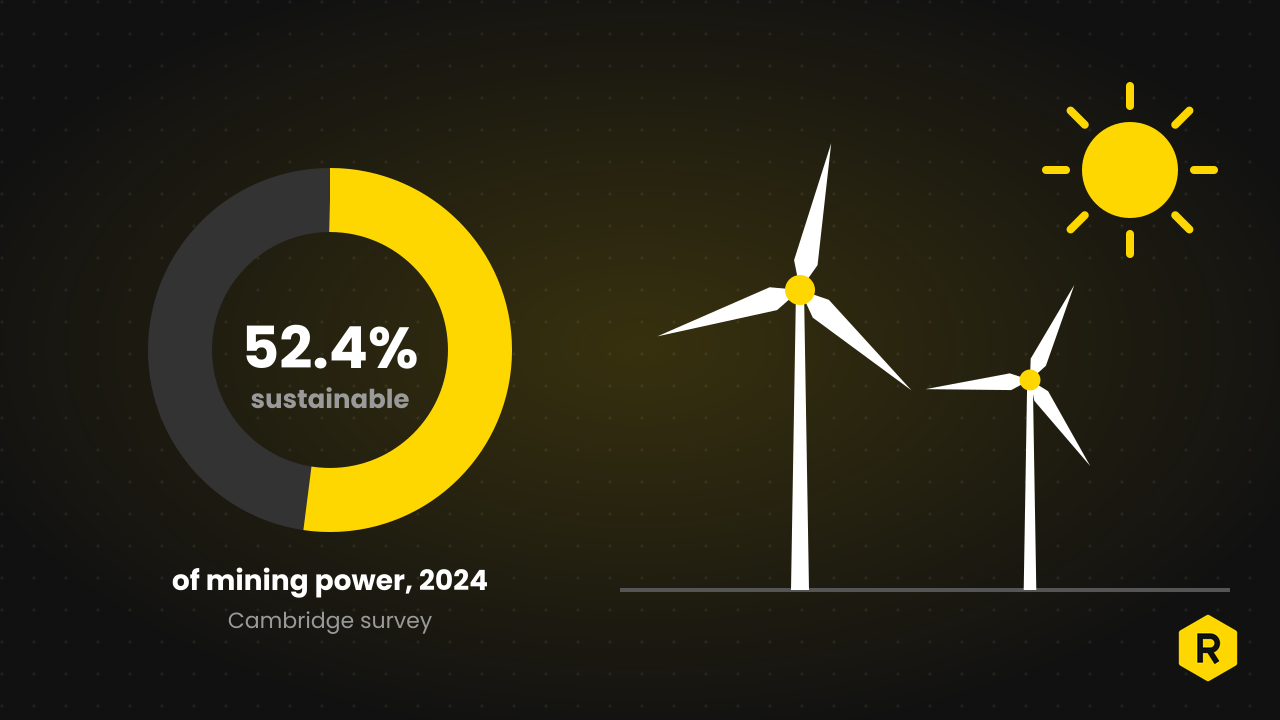
- Where does the power come from? See mining and energy.
- Can I see my machine’s status and hashrate, and match it to the pool?
- If I want the machine back, how is it shipped and who pays?
- How do payouts work, and where do they go?
For a longer checklist, see how to check a mining hosting company.
On OneMiners
OneMiners lists hosting sites across Africa, the Middle East, the USA, Europe, the Americas and Asia, and says customers keep ownership of their machines. If you would rather mine at home, it also publishes a guide on how to start mining crypto at home. Its FAQ covers data centers, shipping and warranty.
Our tutorials show the website steps: OneMiners hosting sites compared and how to pay for mining electricity.
Sources and further reading
Written by the OneMiners team. We sell and host mining machines, so this article links to our own pages where they are relevant, and the sources above are independent. It explains how things work and is not financial advice. Mining carries risk, and prices, rates and features change, so check oneminers.com for current details.